
Mental Health
Mental health reactions after disaster: A guide for mental health providers
Traumatic events, such as disasters, are characterized by a sense of horror, helplessness, serious injury, or the threat of serious injury or death. Disasters affect survivors, public safety and health care workers, and friends and relatives of victims who have been directly involved. Elsewhere on this website we review common stress reactions to disasters in a way that is oriented toward the Georgia public. Here we will discuss common stress reactions and mental health responses to them from the perspective of mental health professionals.
- Everyone who experiences a disaster is affected by it. For most people, the outcome is recovery and resiliency, not psychopathology.
- There are common stress-related reactions to disasters, experienced by everyone (including children and disaster rescue or relief workers). These may last for several days or even a few weeks and may include:
- Emotional reactions: shock, fear, grief, sadness, anger, guilt, shame, feeling helpless, feeling numb
- Cognitive reactions: confusion, indecisiveness, worry, shortened attention span, trouble concentrating
- Physical reactions: tension, fatigue, edginess, insomnia, bodily aches or pain, startling easily, racing heartbeat, nausea, change in appetite, change in sex drive
- Interpersonal reactions: distrust, conflict, withdrawal, work or school problems, irritability, loss of intimacy, feeling rejected or abandoned
Psychological first-aid for these symptoms can help reduce their severity and duration. There are also more severe>post-traumatic stress responses to disasters which may include symptoms such as:
- Intrusive re-experiencing: terrifying memories, nightmares, or flashbacks
- Extreme emotional numbing: completely unable to feel emotion, as if empty
- Extreme attempts to avoid disturbing memories: such as through substance use
- Hyperarousal: panic attacks, rage, extreme irritability, intense agitation, violence
- Severe anxiety: debilitating worry, extreme helplessness, compulsions, and/or obsessions
- Severe depression: loss of the ability to feel hope, pleasure, or interest; feeling worthless; suicidal ideation or intent
- Dissociation: fragmented thoughts, spaced out, unaware of surroundings, amnesia
These various responses may be understood as occurring along the dimensions of frequency and severity of response, as follows:
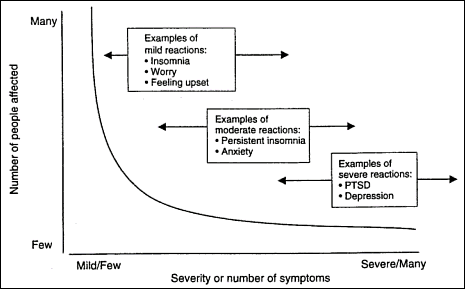
Even more important than the symptoms an individual experiences is the individual’s functional capacity. Symptomatic individuals who can continue to function affectively at work or at home are at much lower risk for developing psychiatric problems that those who are functionally incapacitated.
Some people have a higher risk for severe stress symptoms than do others. Risk factors for severe response to trauma include:
- Level of disaster-related trauma and stress: Severe exposure to the disaster, especially injury, threat to life, and extreme loss. Living in a highly disrupted or traumatized community.
- Survivor characteristics: Female gender; if an adult survivor, being ages 40-60; being an ethnic minority; low socioeconomic status; predisaster psychiatric history.
- Family context: Children in the home; among children whose parents are experiencing distress; having a significantly distressed family member; interpersonal conflict or lack of support in the home
- Resource Context: Lacking belief in one’s ability to cope; few, weak, or deteriorating social resources.
Reactions that Signal Possible Need for Mental Health Referral
- Disorientation (dazed, memory loss, unable to give date/time or recall recent events…)
- Depression (pervasive feeling of hopelessness and despair, withdrawal from others…)
- Anxiety (constantly on edge, restless, obsessive fear of another disaster…)
- Mental Illness (hearing voices, seeing visions, delusional thinking…)
- Inability to care for self (not eating, bathing, changing clothing or handling daily life)
- Suicidal or homicidal thoughts or plans
- Problematic use of alcohol or drugs
- Domestic violence, child abuse, or elder abuse
Knowledge of these typical mental health responses to disasters can help mental health professionals distinguish normative from severe responses, and refer for appropriate treatment as necessary.
Web Links